
Choosing the right modular building supplier is an important decision for contractors, developers, construction companies, and project procurement teams. The supplier you select can affect your project budget, construction schedule, building quality, transportation arrangements, and installation process.
Whether you need temporary site offices, worker accommodation, modular classrooms, commercial buildings, or prefabricated housing, comparing suppliers on price alone can lead to unexpected problems later.
This guide explains what to look for when evaluating a modular building manufacturer and how to make a more informed purchasing decision.
1. Understand Your Project Requirements Before Contacting Suppliers
Before requesting quotations, define what your project actually needs.
Different projects require different building configurations. A temporary construction site office, for example, may have different insulation, electrical, and interior finishing requirements from a permanent modular residential building.
Prepare a basic project brief that includes:
- Building application: Site office, worker accommodation, classroom, residential building, or commercial facility.
- Quantity: The number of modular units required.
- Dimensions and layout: Required floor area, room arrangement, doors, windows, and access points.
- Environmental conditions: Expected temperatures, rainfall, humidity, wind exposure, and other relevant site conditions.
- Building specifications: Structural system, insulation, wall panels, flooring, electrical installations, plumbing, and interior finishes.
- Project location: Destination country, delivery address, site access, and local building requirements.
- Schedule: Required production completion, shipping window, and installation date.
Providing these details helps manufacturers prepare quotations that are easier to compare.
If your requirements are still developing, ask potential suppliers which technical details they need before recommending a suitable configuration.
2. Evaluate the Manufacturer’s Production Capabilities
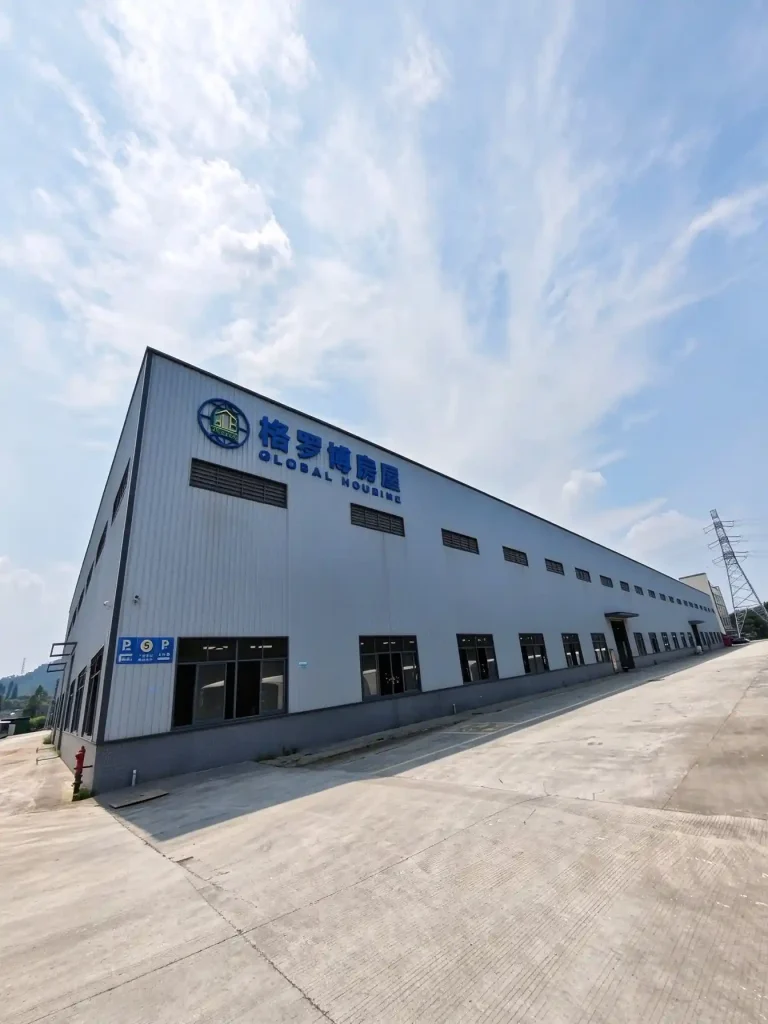
A supplier’s manufacturing capabilities are especially important when your project involves multiple buildings, customized layouts, or a tight delivery schedule.
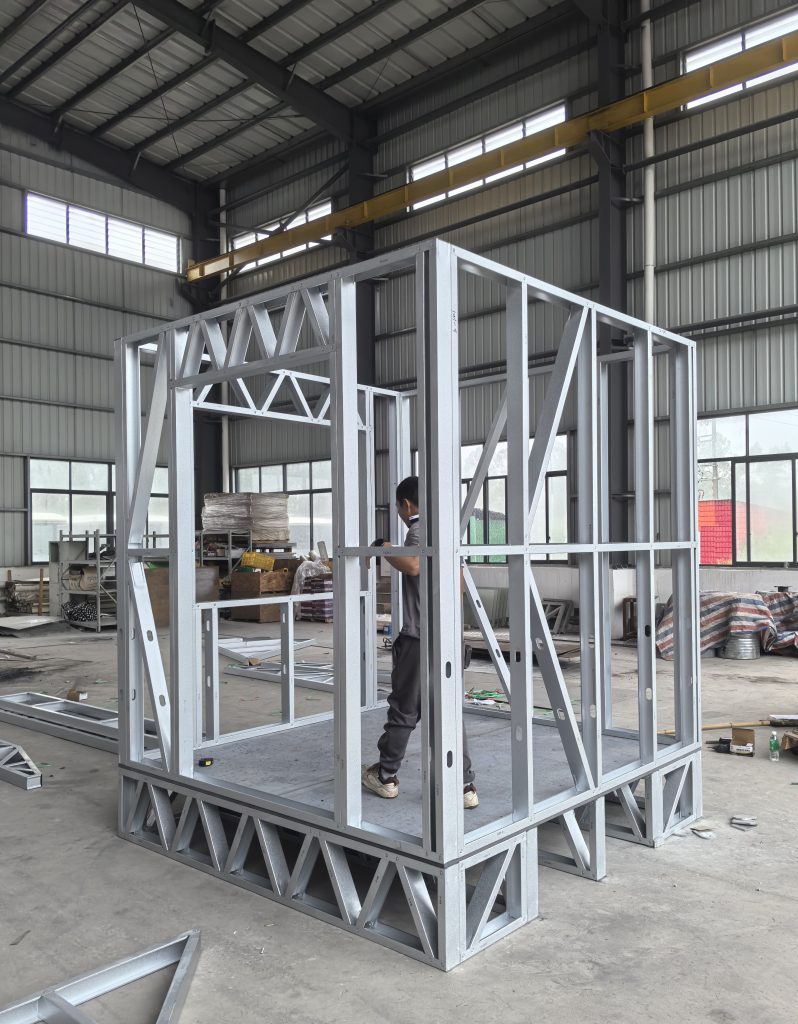
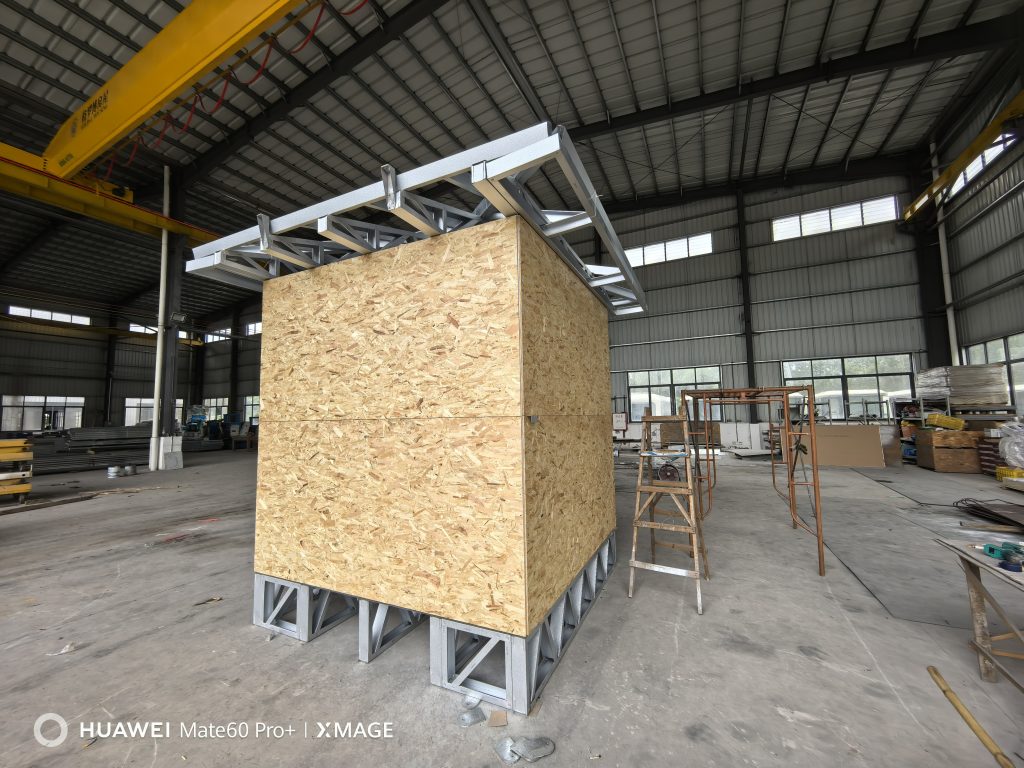
Instead of relying entirely on catalog images, ask for evidence of the actual production process.
Useful questions include:
- Does the manufacturer have its own production facilities?
- What structural systems and building configurations can it produce?
- Can it customize dimensions, layouts, insulation, and interior finishes?
- How are steel frames, wall panels, and other components assembled?
- What quality inspection procedures are used during production?
- Can the supplier provide photographs or videos of comparable completed projects?
A factory video can help you understand the production environment, but it should not replace technical documentation, inspection records, or project-specific verification.
For large orders, consider arranging a factory inspection or appointing an independent inspection company when appropriate.
The objective is to establish whether the supplier can manufacture the building you need, at the required specification and quantity.
3. Compare Building Specifications, Not Just Prices
Two modular buildings may look similar in photographs but have significantly different specifications.
A lower quotation may exclude important items or use a different material configuration.
When comparing quotations, review the following components.
Structural system
Ask for details about the main frame material, member dimensions, connection methods, corrosion protection, and applicable structural design criteria.
The appropriate structural design depends on the building configuration, intended use, site conditions, and applicable local requirements.
Wall panels and insulation
Compare wall panel materials, thicknesses, insulation types, thermal performance, moisture management, and fire-performance documentation where required.
Insulation requirements vary by climate and building use. A configuration suitable for mild weather may not be appropriate for a hot, humid, or cold environment.
Doors, windows, and finishes
Confirm the number and type of doors and windows, glazing specifications, flooring, ceiling finishes, and interior wall materials.
Electrical and plumbing systems
Determine whether electrical wiring, lighting, distribution equipment, plumbing, sanitary fixtures, and other services are included.
Check whether the proposed configuration can meet the relevant destination-country requirements and whether local installation or certification work will be necessary.
A written specification sheet is much more useful than a quotation that simply states “standard quality.”
4. Check Customization Options and Future Expansion
Not every modular building project can use a standard design.
Construction companies and developers may require different room layouts, building dimensions, entrance positions, window arrangements, or interior configurations.
Before placing an order, clarify:
- Which dimensions and layouts can be customized?
- Are electrical and plumbing layouts adjustable?
- Can the manufacturer accommodate project-specific materials or finishes?
- Are multiple units designed to connect or work together?
- Can the building be expanded or reconfigured in the future?
- Are engineering drawings and installation instructions available?
Also establish the limits of customization. Changes to structural dimensions, openings, connections, or building configurations may require additional engineering review and cost.
For projects involving multiple units, request a coordinated layout and a clear schedule of the agreed specifications.
5. Calculate the Total Project Cost
The purchase price is only one part of the overall project budget.
Depending on the product and delivery arrangement, additional costs may include:
- Building customization and engineering.
- Packaging and export preparation.
- Inland transportation in the country of origin.
- International freight and cargo insurance.
- Import duties, taxes, and customs clearance.
- Port handling and destination transportation.
- Foundations, site preparation, and utility connections.
- Cranes, lifting equipment, and installation labor.
- Local inspections, approvals, or modifications.
Not every project will incur every cost listed above. The actual cost depends on the destination, product configuration, shipping terms, site conditions, and scope of supply.
When comparing suppliers, request an itemized quotation that identifies what is included and excluded.
For international orders, clarify the agreed Incoterms, the named delivery location, responsibility for customs clearance, and which party pays each major transportation cost.
A slightly higher factory quotation may represent better overall value if it includes components or services that another supplier excludes.
6. Verify Shipping and Installation Requirements
Modular buildings are manufactured in different configurations, and transportation requirements vary accordingly.
Before confirming an order, establish how the building will be packed, loaded, transported, unloaded, and installed.
Ask the supplier:
- What are the shipping dimensions and estimated gross weight?
- Can the product be transported in standard shipping containers, or does it require another freight arrangement?
- What lifting points and equipment are required?
- Is on-site assembly necessary?
- Which installation tools, cranes, or labor resources must the buyer provide?
- Are installation drawings and technical instructions available?
For overseas projects, shipping dimensions are particularly important because they can affect freight costs and transport feasibility.
Also confirm whether the finished building, its components, or a flat-pack configuration will be delivered. These arrangements can have different logistics and installation requirements.
Do not assume that every modular building can be transported or installed in the same way.
7. Confirm Quality Control and Documentation
Reliable project delivery requires more than a finished product that looks good in photographs.
Ask the supplier how it checks materials, structural components, assembly accuracy, finishes, and completed units.
Depending on the project, useful documentation may include:
- Approved drawings and product specifications.
- Material specifications and relevant test reports.
- Inspection records and production photographs.
- Electrical or plumbing documentation, where applicable.
- Packing lists and shipping documents.
- Installation instructions and maintenance information.
- Applicable certifications and compliance documentation.
Always verify that any claimed certification applies to the specific product, material, manufacturing facility, or destination market concerned.
For projects subject to local building codes, fire requirements, structural standards, or electrical regulations, determine who is responsible for demonstrating compliance before production begins.
This is particularly important when importing prefabricated buildings for use in regulated construction projects.
8. Evaluate Communication and Project Management
Good communication helps prevent specification misunderstandings and costly changes.
Before placing a deposit, establish a clear communication process with the supplier.
Confirm the main project contact, drawing approval procedure, production milestones, inspection arrangements, payment terms, and expected response times.
You should also understand how changes are handled after drawings are approved and what happens if a delivery milestone is delayed.
For larger projects, a written production schedule and agreed inspection checkpoints can help both parties track progress.
A supplier should be able to explain its process clearly rather than relying on broad promises about quality or delivery speed.
9. Use a Supplier Evaluation Checklist
The following checklist can help procurement teams compare potential manufacturers consistently.
| Evaluation item | What to verify |
|---|---|
| Manufacturing capability | Relevant production facilities and product experience |
| Technical specifications | Frame, panels, insulation, finishes, and services |
| Customization | Available options and engineering limitations |
| Quality control | Inspection procedures and supporting records |
| Total project cost | Itemized pricing and excluded costs |
| Shipping arrangements | Dimensions, weight, packing, and delivery responsibilities |
| Installation support | Drawings, instructions, and required equipment |
| Compliance | Documentation relevant to the destination market |
| Communication | Clear specifications, milestones, and change management |
| Commercial terms | Payment schedule, warranty terms, and contractual responsibilities |
You can also assign a score to each category based on your project’s priorities.
For example, a project requiring dozens of identical units may place greater emphasis on production capacity and consistency. A project involving a customized commercial building may place more emphasis on design coordination, technical support, and site installation.
The best supplier is the one whose verified capabilities and contractual commitments match your actual project requirements.
10. Prepare a Clear Request for Quotation
A well-prepared request for quotation (RFQ) makes it easier for manufacturers to provide accurate proposals.
Include the following information whenever possible:
- Destination country and project location.
- Intended building application.
- Required quantity and approximate dimensions.
- Floor plan or reference drawings.
- Structural, insulation, and finish requirements.
- Electrical, plumbing, and furniture requirements, if applicable.
- Required delivery schedule.
- Preferred shipping or delivery arrangement.
- Required technical documents or compliance information.
- Any special project conditions.
If you do not have complete drawings, provide reference photographs, a preliminary layout, or a written description of the intended use.
Ask each supplier to identify assumptions, exclusions, optional items, and any technical information still needed.
This approach helps reduce misunderstandings and provides a stronger basis for comparing quotations.
Frequently Asked Questions
What should I look for in a modular building supplier?
Start with manufacturing capability, product specifications, quality control, customization options, shipping arrangements, technical documentation, and transparent commercial terms. Verify the supplier’s claims against relevant evidence before placing an order.
Is the cheapest modular building supplier the best choice?
Not necessarily. Different quotations may cover different materials, equipment, finishes, shipping arrangements, or installation services. Compare the full scope of supply and total project cost before making a decision.
Can modular buildings be customized for different projects?
Many modular building systems offer customization options, but the available changes depend on the design and manufacturing process. Confirm dimensions, layouts, structural limitations, and additional engineering requirements before approving production.
What information is needed for a modular building quotation?
Manufacturers generally need the destination, intended use, quantity, dimensions, layout, material requirements, interior configuration, and delivery expectations. More detailed information usually makes quotations easier to compare.
What should international buyers check before importing modular buildings?
Review the product specifications, shipping dimensions, transportation terms, import requirements, applicable building regulations, installation responsibilities, and documentation required for the destination market.
Conclusion
Choosing a modular building supplier involves more than comparing prices or reviewing product photographs. Buyers should evaluate manufacturing capabilities, technical specifications, quality control, customization, logistics, installation requirements, and the total project budget.
A clear project brief and a detailed request for quotation can help contractors, developers, and procurement teams make more informed decisions and reduce avoidable risks.
If you are planning a modular building project, prepare your required dimensions, quantity, intended application, destination, and specifications before requesting a quotation.
Contact Globobo to discuss your modular building requirements and explore suitable prefabricated building solutions for your project.